Idid not set out to become an advocate. Like most people, I believed that the systems designed to protect families and seek truth functioned as they should. I assumed that if you presented the facts, the court would see the full picture. It wasn’t until I found myself navigating these systems over several years that I realized how fragmented and opaque the process can truly be.

Navigating the system required asking hard questions.
Several years ago, my family experienced a situation that changed everything.
A loved one was called upon by the State of Arizona to testify in a six-week-long criminal trial involving serious charges — including a murder case. It was an intense and deeply unsettling time for our family.
While the trial itself was difficult, what followed in the years after proved even more challenging.
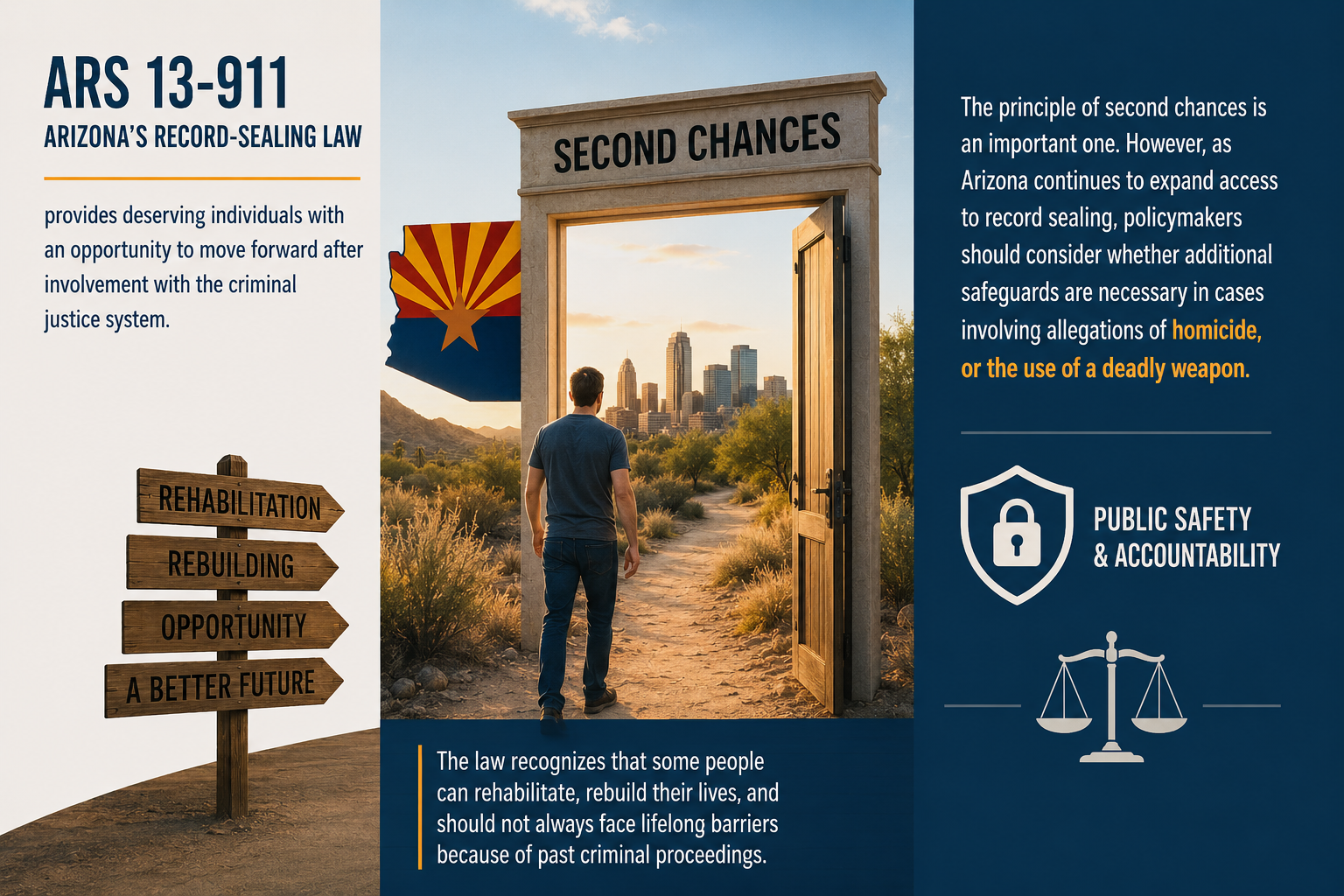
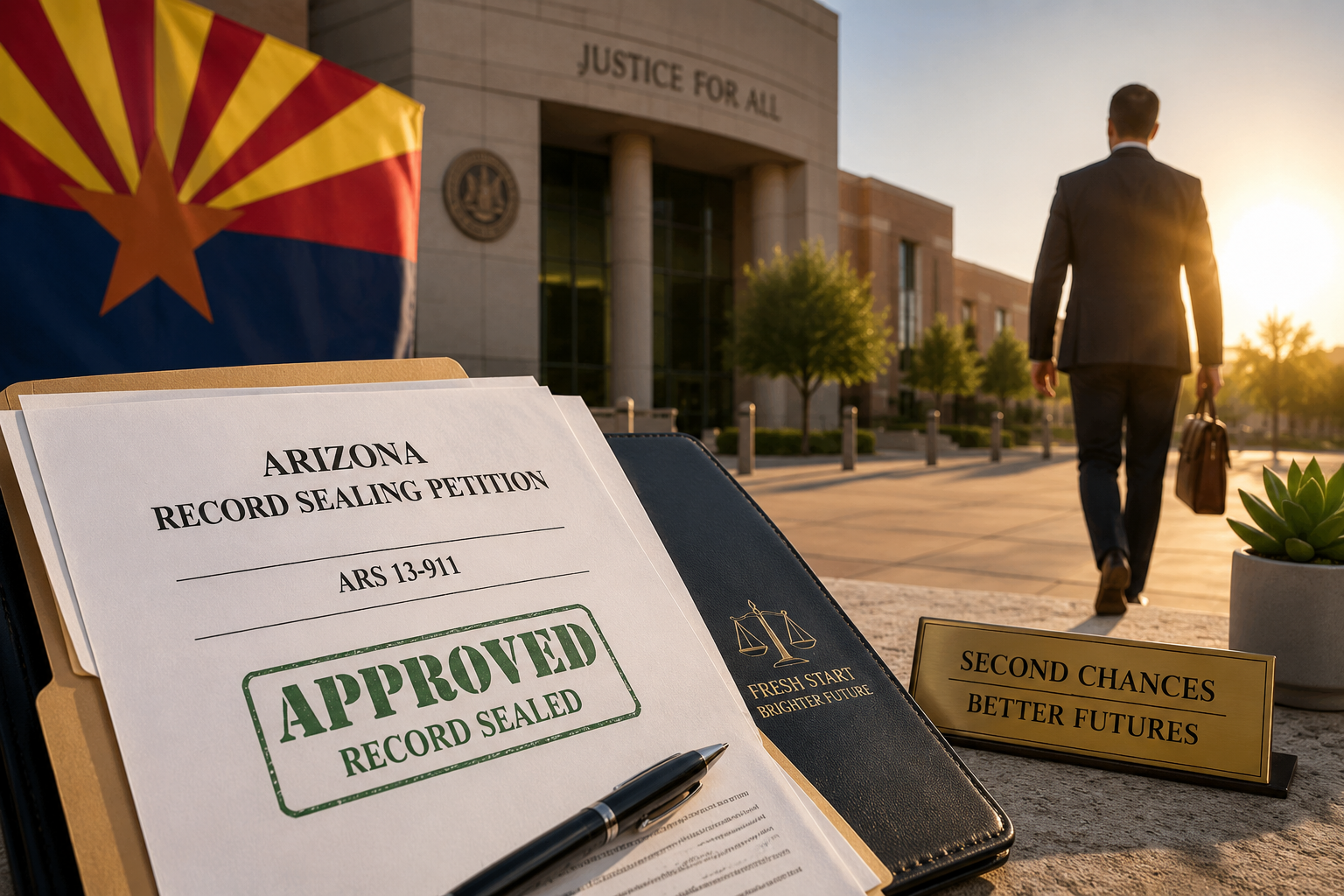
Over the past five years, we found ourselves navigating not just the emotional aftermath, but a legal landscape that often felt confusing, fragmented, and at times, deeply unfair. We began to see how certain legal mechanisms — particularly those surrounding sealed criminal records under Arizona Revised Statutes § 13-911 — could be used in ways that didn’t always align with transparency or the full presentation of facts.
What was intended to give individuals a fresh start sometimes created gaps — where context could be limited, narratives could be shaped, and legal processes could be extended across multiple court systems. In some instances, it opened the door to ongoing litigation that placed additional strain on those who had already participated in the justice process, including witnesses.
Through personal experience, I saw firsthand how the system works — and where it critically fails. It deeply affected my family and those I care about. I sat in rooms where critical context was seemingly invisible, where procedures overshadowed the human reality of what families were enduring.
At first, I just tried to survive it. But as time went on, I started asking questions. Why wasn’t all the information available? Why did it feel like some voices were silenced while others were shielded? I began connecting with others and realized my experience was not an isolated incident.
Speaking up wasn’t a choice I made lightly, but it became a necessary one. The more I learned, the more I understood that silence wasn’t protecting anyone — it was maintaining a status quo that leaves too many families vulnerable.
“That’s when I realized this wasn’t just about one case… it was a bigger issue.”
The goal of this policy initiative is not to undermine rehabilitation or the purpose of record sealing laws, but to ensure that such laws operate in harmony with due process, transparency, and the protection of children and vulnerable parties within Arizona’s justice system.